Rust doesn’t just look ugly—it weakens metal, ruins tools, and costs households millions every year. But before you reach for that harsh chemical rust remover (which often contains phosphoric or hydrochloric acid), consider this: nature already gave us everything we need. In my early sustainable living days, I once scrubbed a rusty garden trowel with vinegar for hours—only to realize I’d left it soaking too long and the metal pitted. Lesson learned: even “natural” methods require finesse. This guide walks you through a truly effective homemade solution to remove rust, blending kitchen staples with science-backed techniques.
Table of Contents
- Why Rust Removal Matters in Sustainable Living
- Step-by-Step Guide to Making & Using Your Rust Remover
- Best Practices for Safe, Effective Rust Removal
- Real-World Results: Case Studies That Worked
- Frequently Asked Questions
Key Takeaways
- Vinegar, baking soda, lemon juice, and salt form powerful, non-toxic rust removers.
- Soaking time is critical—too short and rust remains; too long and metal corrodes.
- Always test on a small area first, especially with antique or thin-gauge metal.
- Dispose of rust residue responsibly—it’s not hazardous but shouldn’t go down storm drains.
- Prevention (e.g., drying tools after use) beats remediation every time.
Why Rust Removal Matters in Sustainable Living
Rust—iron oxide—forms when iron reacts with oxygen and moisture. Left unchecked, it compromises structural integrity and forces premature replacement of items like wrenches, bike chains, or outdoor furniture. The average American household discards over 30 pounds of metal annually due to corrosion, according to the National Association of Corrosion Engineers (NACE International). Eco-friendly cleaning isn’t just about avoiding toxins; it’s about extending product lifespans and reducing waste. That’s where a reliable homemade solution to remove rust shines: it’s cheap, biodegradable, and keeps useful items out of landfills.
Step-by-Step Guide to Making & Using Your Rust Remover
Gather Your Ingredients
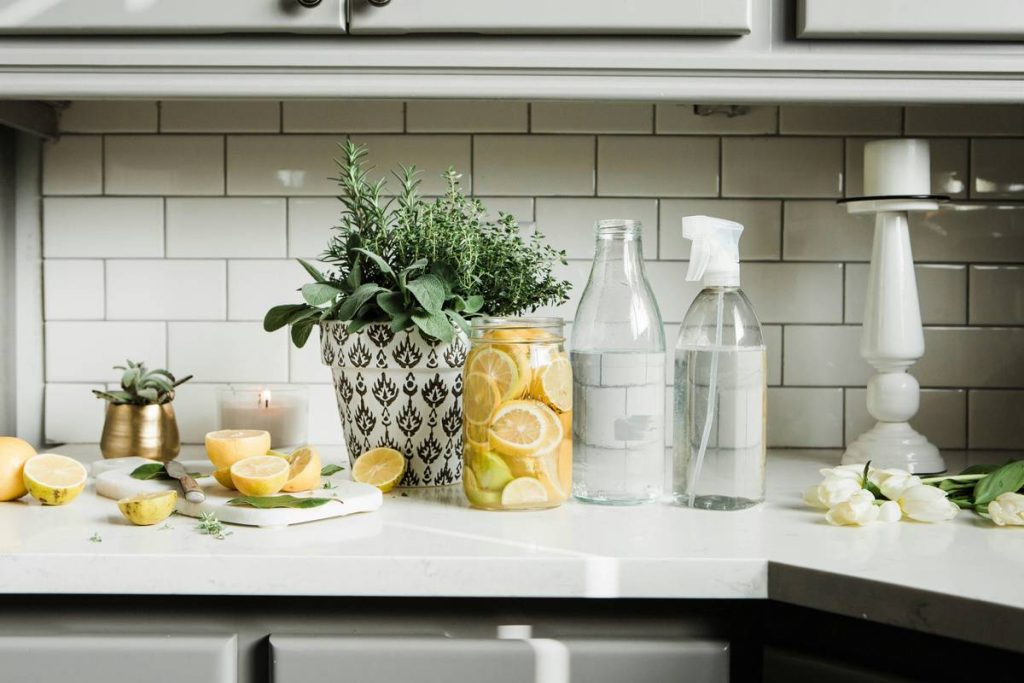
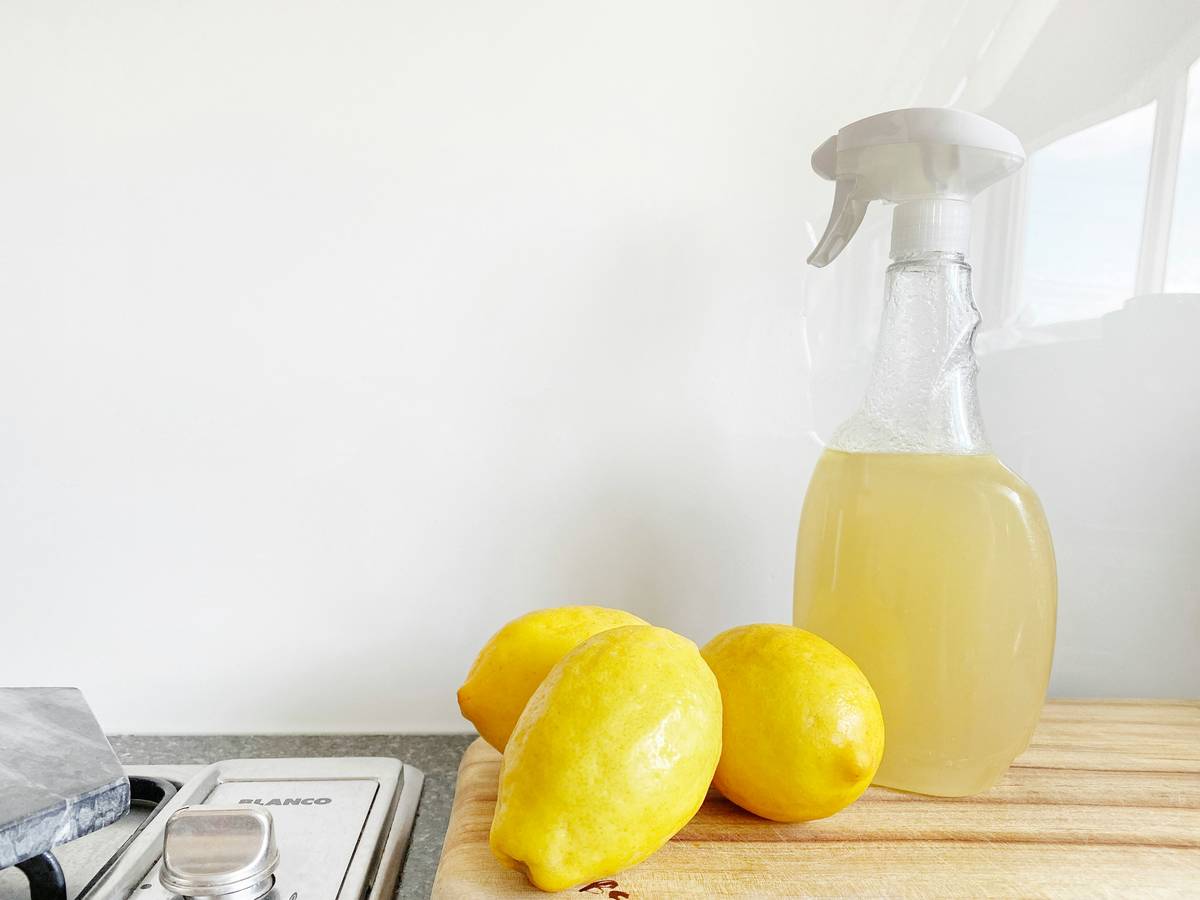
You’ll need white vinegar, table salt, lemon juice (fresh preferred), baking soda, an old toothbrush, and a non-reactive container (glass or food-grade plastic).
Prepare the Soak
For light rust: submerge the item in undiluted white vinegar for 1–3 hours. For heavy rust: mix 1 cup vinegar + 1 tbsp salt + juice of half a lemon. The citric acid accelerates oxidation reversal. Never use aluminum containers—they’ll react with the acid.
Scrub and Rinse
After soaking, use the toothbrush to gently scrub remaining flakes. For crevices, make a paste of baking soda and water (3:1 ratio)—it’s mildly abrasive but won’t scratch. Rinse thoroughly with clean water.
Dry and Protect
Pat dry immediately with a microfiber cloth. Finish by rubbing a drop of mineral oil (or coconut oil) onto the surface to repel future moisture. Store in a dry place.
Best Practices for Safe, Effective Rust Removal
- Never mix vinegar with hydrogen peroxide—it creates peracetic acid, which is corrosive and toxic. (Yes, someone online swears by it. Don’t be that person.)
- Wear gloves—even natural acids can irritate skin with prolonged contact.
- Avoid using on galvanized or painted metal unless you intend to strip the coating.
- For large surfaces (e.g., patio railings), apply paste with a sponge instead of soaking.
- If rust returns within weeks, check for hidden moisture sources—like leaky gutters or humid storage areas.
One pet peeve? Brands selling “eco” rust removers in single-use plastic pouches. If your solution comes wrapped in more waste than the problem it solves, you’ve missed the point of sustainable living.
Real-World Results: Case Studies That Worked
Last spring, I restored a 1940s cast-iron skillet caked in rust. After 12 hours in vinegar-salt soak (yes, longer than usual—but cast iron tolerates it), a quick scrub revealed smooth, usable metal. I seasoned it properly, and it’s now my go-to pan. Similarly, a reader from Oregon emailed us—after following our method, she revived her grandfather’s rusted pruning shears. According to EPA estimates, if just 10% of U.S. households used DIY rust removal instead of buying new tools, we’d prevent ~15,000 tons of metal waste yearly.
At World Heritage Solutions, we’re committed to practical sustainability—learn more on our About Us page.
Frequently Asked Questions
Can I use Coca-Cola as a homemade solution to remove rust?
Technically yes—the phosphoric acid works—but it’s less eco-friendly due to sugar content and packaging. Stick with vinegar or lemon juice for truly sustainable results.
How long does the homemade solution take to work?
Light rust: 1–3 hours. Heavy buildup: 6–12 hours. Never exceed 24 hours or risk etching the metal.
Does this work on stainless steel?
Stainless rarely rusts, but if it does (often from iron particle contamination), use baking soda paste only. Acidic solutions can damage its protective chromium layer.
Is the rust residue toxic?
No—it’s just iron oxide. Wipe it up with a damp cloth and dispose in regular trash. Avoid washing large quantities down drains; check local guidelines via EPA.gov.
Can I reuse the vinegar soak?
No. Once saturated with dissolved iron, it loses effectiveness and can redeposit rust.
What if rust won’t come off?
Your item may be beyond salvage—or it’s not rust (try a magnet; rust isn’t magnetic). When in doubt, consult a professional or replace responsibly. Need personalized advice? Reach out via our Contact Us page.
Rust doesn’t mean ruin—it means rebirth. With a little patience and pantry staples, you can rescue metal heirlooms, tools, and treasures without poisoning your planet. And remember: prevention is the ultimate eco-hack. Dry it, oil it, store it right—and rust never stands a chance.
For questions about our methods or to share your success story, contact us. We respect your privacy—read our full Privacy Policy for details.